
Understanding Property Lines: Why They Matter Before You Build a Fence
When most homeowners plan a new fence, they’re usually focused on style, privacy, or boosting curb appeal. But before any posts go into the ground, the most important step is making sure you know exactly where your property lines are.
At Anchor Fence, we help guide homeowners through the installation process—but determining or verifying legal property boundaries is the responsibility of the property owner. Understanding your boundaries upfront protects you from costly mistakes, neighbor disputes, and legal issues later on.
Here’s what every homeowner should know before building a fence.
1. Why Property Lines Matter
A property line defines the legal boundaries of your land. If a fence is installed outside of those boundaries. Even if you are off by just a few inches, you could face:
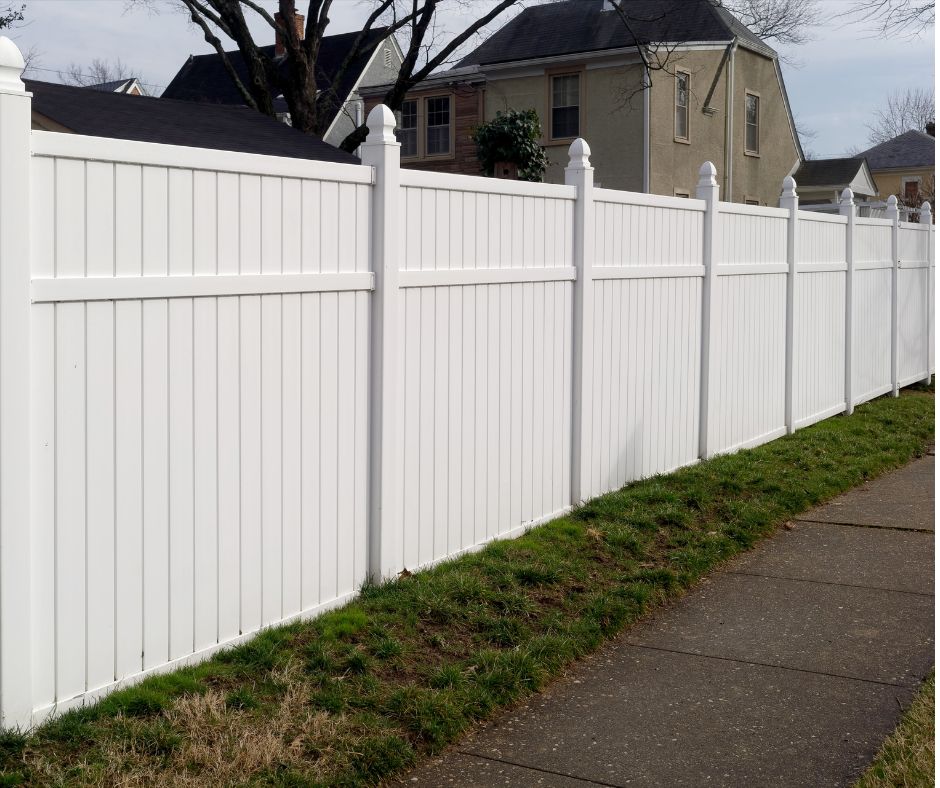
Because of this, the property owner needs to identify the correct placement of the fence before installation.
2. How to Confirm Your Property Lines
Anchor Fence installs fences based on the location designated by the Property Owner or Purchaser. We do not determine where property lines are. If the wall is later found to be in the wrong place, the homeowner is responsible for the cost of removal and reinstallation, just as outlined in Anchor Fence’s contract. Here are the ways homeowners can verify their property lines:
- Mortgage Survey
Most homeowners receive a survey when they purchase the property. This is often the fastest way to confirm lot boundaries. - Builder or Local Municipality Records
Your builder or city/township may have surveys on file from permitting or construction. - Hiring a Licensed Surveyor
If no survey is available or if you want precise markers, a licensed surveyor can measure and stake the exact line.
This is 100% the homeowner’s responsibility. Anchor Fence can refer you to surveyors, but does not hire, manage, or pay for surveying services.
Taking this step helps ensure the fence is installed exactly where you intend it to be.
3. Check Local Ordinances and Permit Requirements
Even with confirmed property lines, homeowners must also follow local regulations. Many Michigan municipalities require:
• Fence permits
• Height limits
• Setback rules
• Restrictions on materials or placement
Anchor Fence helps homeowners navigate these requirements, so their project remains compliant. But again, permits and property line verification remain the homeowner’s responsibility.
Permit Required
In many communities, you’ll need to obtain a permit from your local zoning administrator before building a fence. This ensures your project complies with municipal codes. Skipping this step could result in fines or an order to remove the fence.
Height Restrictions
Most municipalities set maximum fence height limits. For example, a backyard fence may be limited to six feet, while a front yard fence may be limited to four feet. These restrictions are designed to maintain visibility, safety, and neighborhood aesthetics.
Setbacks
Setback rules dictate how close a fence can be built to the property line or a public sidewalk. For instance, you may be required to set your fence back a few inches or feet to leave space for utilities or pedestrian access.
Materials and Design Standards
Zoning codes sometimes specify acceptable fence materials, styles, or colors. This prevents structures from clashing with the neighborhood’s character. At Anchor Fence, we guide our customers toward material and design options that meet both local regulations and their personal preferences.
4. Michigan Boundary Law: What Homeowners Should Know
Michigan boundary laws make correct placement even more important:
Adverse Possession
If someone openly uses part of your land for an extended period, they may be able to claim ownership. A properly placed fence can prevent such issues.
Encroachment
Installing a fence on someone else’s land can lead to legal action because Anchor Fence installs based on the homeowner’s designation; disputes resulting from misidentified boundaries fall solely on the property owner.
What Anchor Fence Does—And Does NOT Do
To protect your investment, here’s what Anchor Fence provides:
• Site Evaluation- We meet with you to review your goals and the terrain.
• Design & Code Guidance- We advise on compliance with local rules regarding height, material, and setbacks.
• Permit Assistance- We guide you through the permit process when required.
• Surveyor Referrals- If needed, we can connect you with licensed surveyors.
But equally important is what Anchor Fence does NOT do, as outlined in the contract:
• Determine Property Lines- You must provide accurate boundary information.
• Cover Costs for Fence Relocation- If installed where the homeowner directed and later found incorrect, relocation costs belong to the homeowner.
• Remove Excavated Dirt- Any dirt, sand, or rocks displaced during installation remain on your property for you to dispose of.
• Haul Away Old Fence Materials Unless Specified- When removing an existing fence, Anchor Fence will pile materials on your property unless disposal is specifically included in your quote.
6. Why Doing It Right Matters
To protect your investment, here’s what Anchor Fence provides:
• Site Evaluation- We meet with you to review your goals and the terrain.
• Design & Code Guidance- We advise on compliance with local rules regarding height, material, and setbacks.
• Permit Assistance- We guide you through the permit process when required.
• Surveyor Referrals- If needed, we can connect you with licensed surveyors.
But equally important is what Anchor Fence does NOT do, as outlined in the contract:
• Determine Property Lines- You must provide accurate boundary information.
• Cover Costs for Fence Relocation- If installed where the homeowner directed and later found incorrect, relocation costs belong to the homeowner.
• Remove Excavated Dirt- Any dirt, sand, or rocks displaced during installation remain on your property for you to dispose of.
• Haul Away Old Fence Materials Unless Specified- When removing an existing fence, Anchor Fence will pile materials on your property unless disposal is specifically included in your quote.
Final Thoughts
Property lines are more than just invisible borders; they’re the foundation of a successful fence project. By confirming your boundaries, checking local ordinances, understanding Michigan’s boundary laws, and working with experienced professionals, you can ensure your new fence is both functional and legally sound.
At Anchor Fence, we take pride in guiding homeowners through every step of the process, from surveys to permits to installation. If you’re planning a new fence, let us help you protect your investment and avoid unnecessary headaches.
Ready to start your fencing project? Contact Anchor Fence today for a consultation and professional guidance every step of the way.

Why Michigan Communities Trust Us
Established in 1892 and leading the Michigan fence industry ever since, Anchor Fence has become the people’s choice when it comes to professional fence installation and supplies. We’ve built our reputation on quality craftsmanship, superior materials, and exceptional customer service, we’re committed to delivering fences that enhance your property and provide peace of mind.
Our team understands the unique needs of our community neighborhood residential as well as commercial properties, from handling snowy winters to complying with local zoning requirements. Whether you’re looking for a decorative fence or a secure enclosure for your pets and kids, Anchor Fence has the expertise to bring your vision to life.
Get Started Today
Ready to transform your yard with a beautiful, durable fence? Contact Anchor Fence for a free consultation and quote. Call us at 313-937-0101 or contact us online today. Let’s build something lasting together!