City of Plymouth fence permits and fence rules
Yes, you need a permit to build a fence in the City of Plymouth, Michigan. The permit comes from the Building Department at City Hall, 201 S. Main. The city asks for a completed application and a boundary survey or plot plan from a Michigan licensed surveyor, with your property corners marked. Side and rear fences can be up to six and a half feet tall. Front yard fences must be decorative and 30 inches or less. We call MISS DIG before we dig and can advise you on the Plymouth fence permit, which the property owner obtains.
Fence permit rules in Plymouth, MI
Two checks come first.
Step one: make sure your home is in the City
Two different governments use the Plymouth, MI 48170 mailing address. The small City of Plymouth sits in the middle, and Plymouth Township wraps around it with its own Building Department on Haggerty Road. Each writes its own fence rules, so the wrong office means the wrong answer.
Here are three ways to check:
The city notes that its addresses have only three or four digits. Township addresses can have four digits too, so treat that as a clue, not proof. You may also hear a rule of thumb about house numbers. Neither the city nor the township publishes one, so we do not rely on it.
What the city needs
The City of Plymouth code makes it unlawful to build any fence or wall without a permit. Plan on these items:
Once issued, the permit card must be posted where it can be seen from the street. A building permit in the city stays valid for one year.
Height, placement, and materials
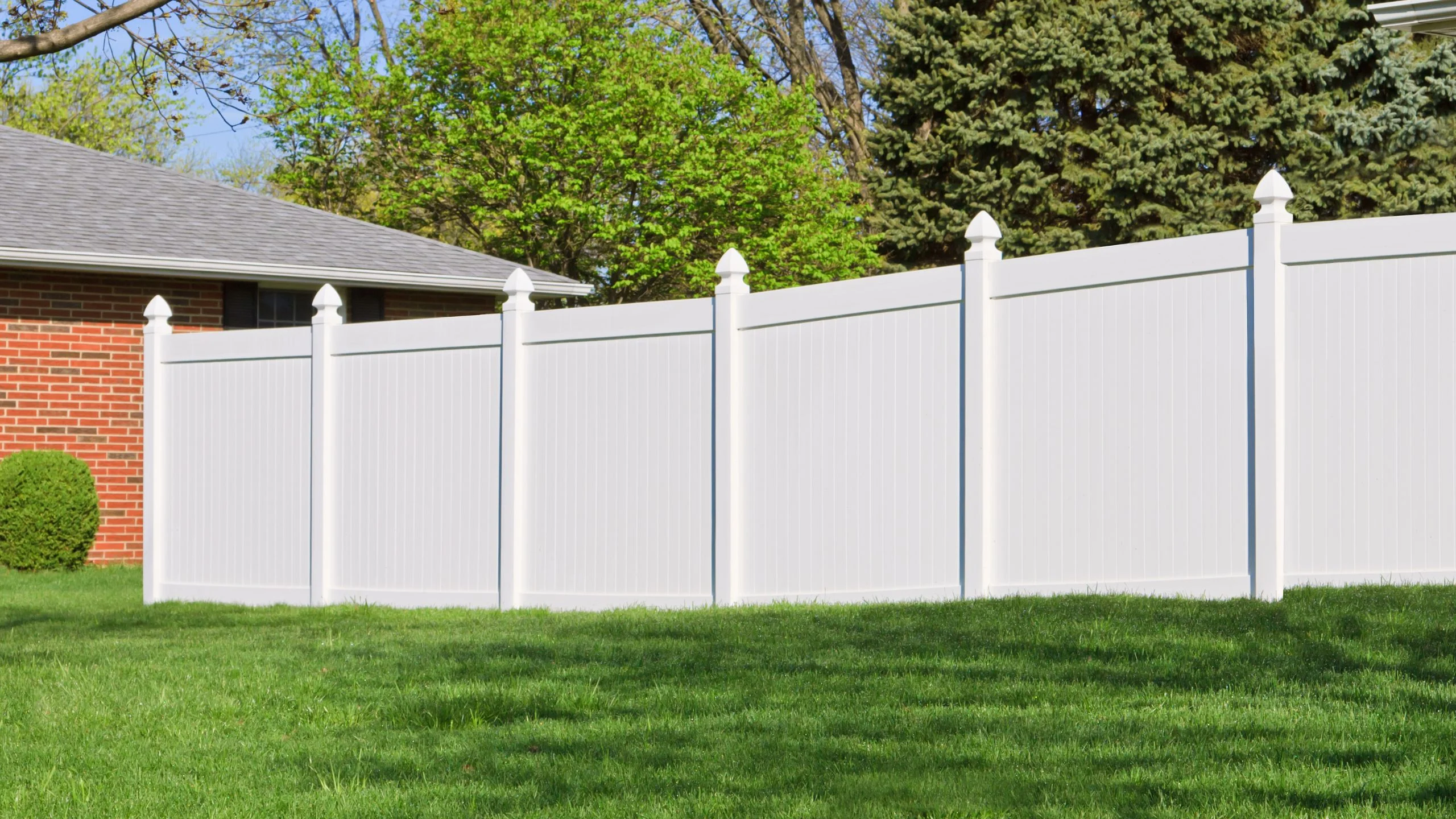
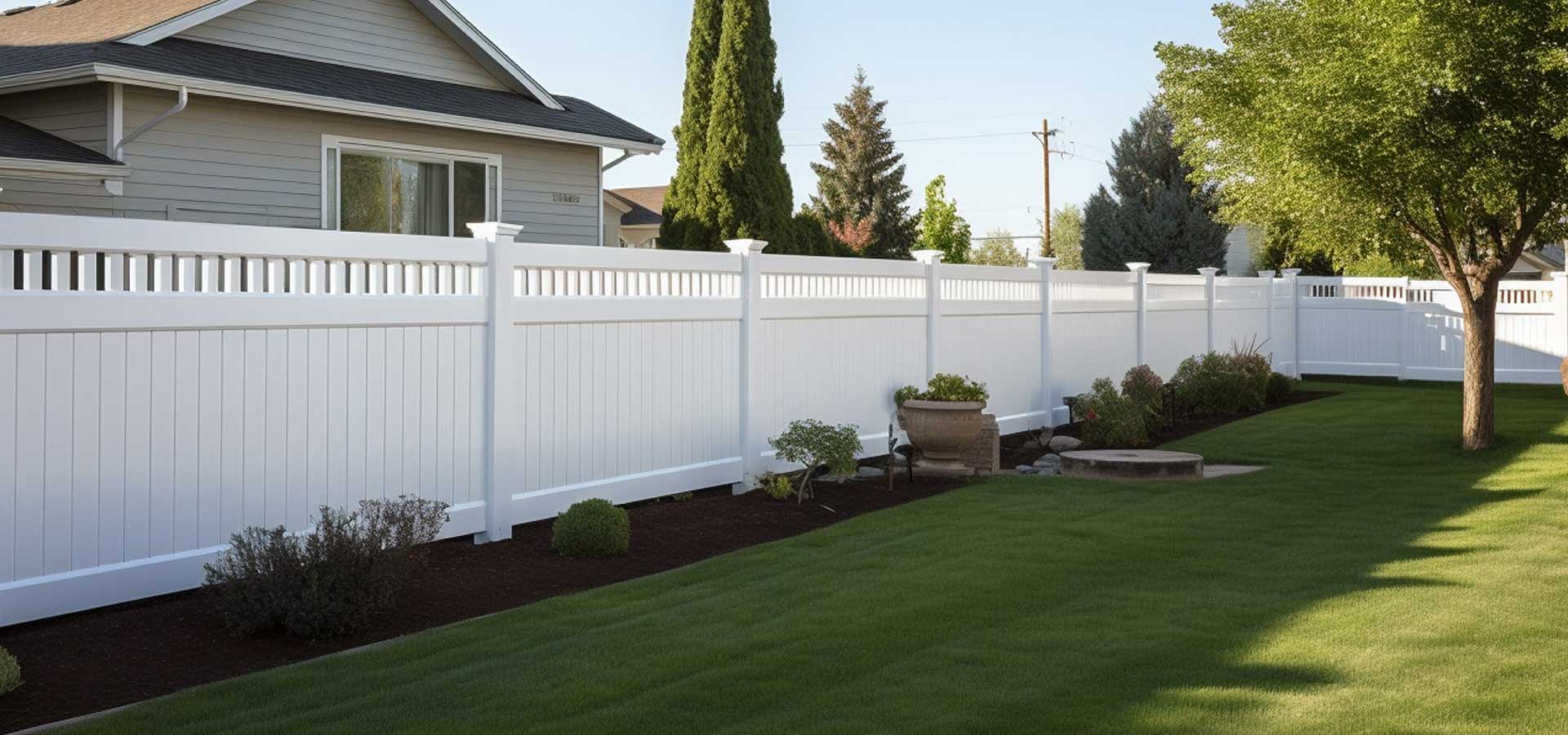
Side and rear yards. A fence in a side or rear yard can be up to six and a half feet tall, measured from the ground. It cannot come forward of the front of the house, or of the required front yard if that line sits farther back. Posts and post caps may rise six inches above the fence height limit.
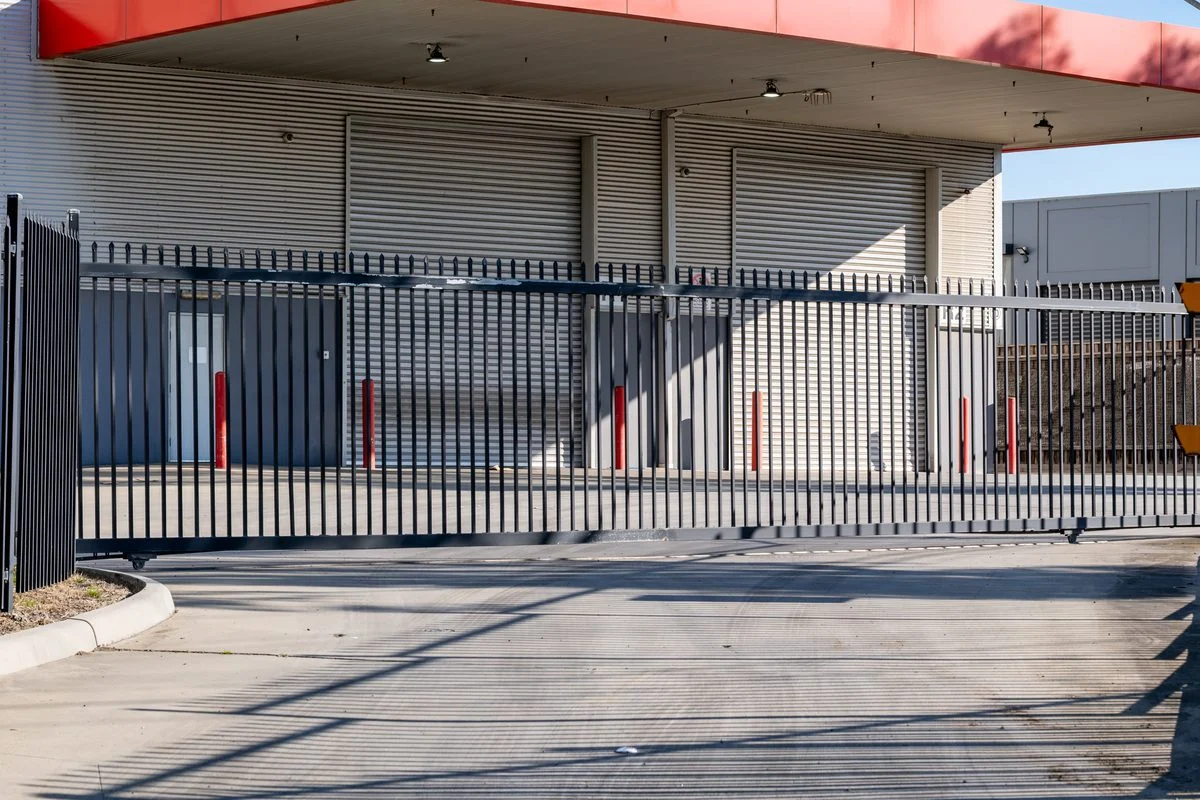
Front yards. Only decorative fences belong in a required front yard. The city lists wrought iron, metal, pickets, and stone or masonry, with a top height of 30 inches. Chain link is not allowed in a required front yard, and neither is any temporary barrier.
Corner lots and sight lines. A corner lot may have two front yards, depending on how the house next door faces. On the street side, the front setback carries on down the block, and a 48-inch picket fence may project into that area, but not past the front of the house. Near intersections, the city keeps a clear vision area. Nothing over 30 inches may stand within 25 feet of a street corner in each direction, or within 15 feet of a driveway or alley.
Sidewalks and alleys. Keep every fence at least one foot back from the edge of the public sidewalk. A fence may go in a vacated alley if the alley is part of your legal description.
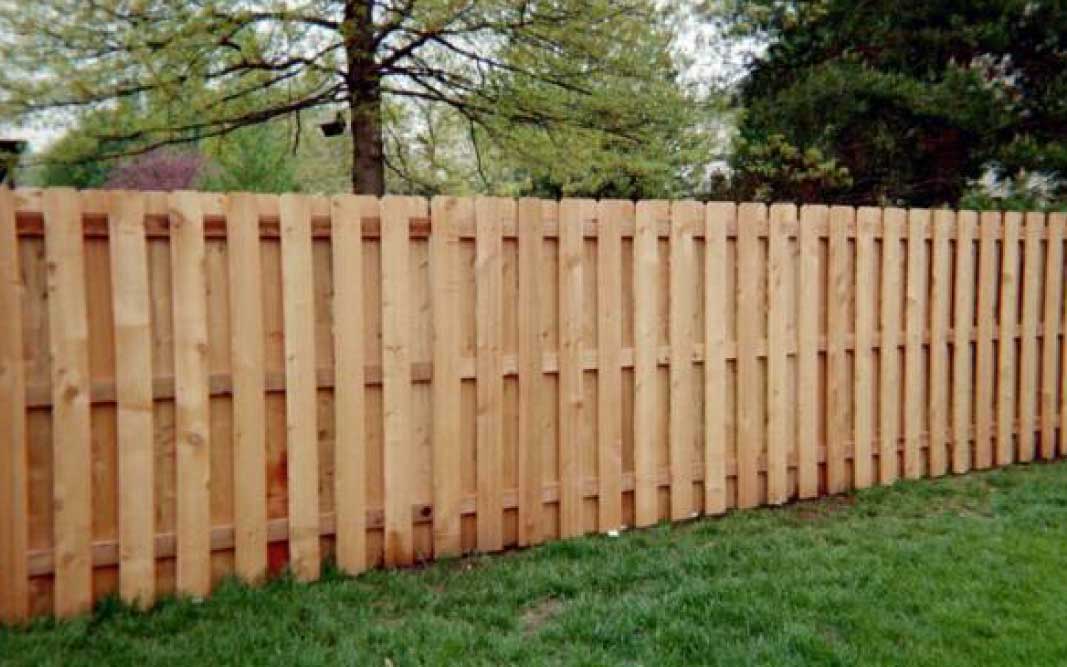
Materials and safety rules. The city cares about how a fence looks from next door. The finished side must face neighboring properties, with the support posts on your side. Posts must be made to resist rust and rot for at least ten years, and the city’s FAQ applies the same ten-year test to privacy fence materials. Other rules to know: