Dearborn fence permits and rules: what the city allows
Yes, Dearborn requires a permit for a new fence. You apply to the city’s Permit Services Division with a survey or site plan, signatures from the owners next door, and a notarized application. Home fences can be up to 6 feet tall, cannot go in the front yard, and must have the finished side facing out. Dearborn also bans vinyl slats in chain link and dog runs. We call MISS DIG before we dig and can advise you on the Dearborn fence permit, which the property owner obtains.
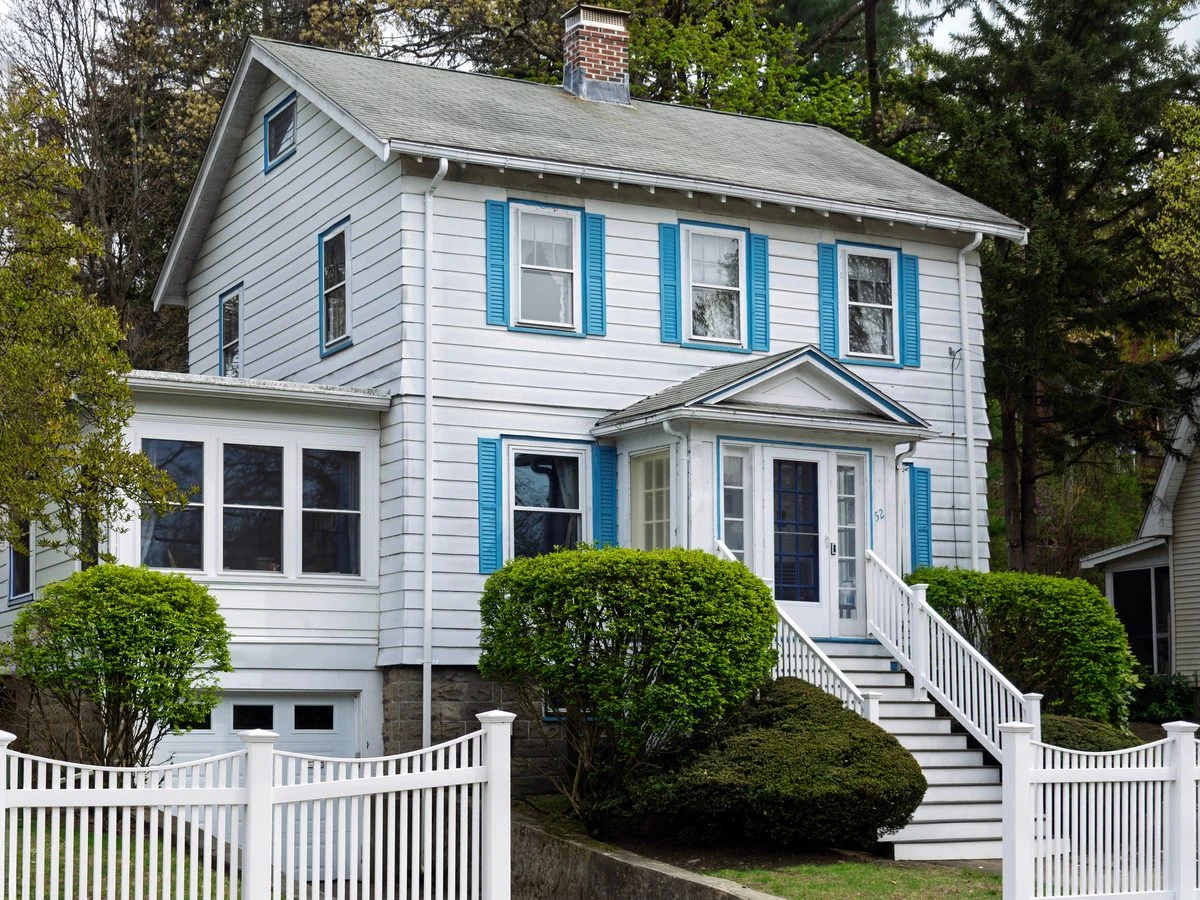
Dearborn fence permit rules and process
Dearborn’s code sets how tall a home fence can be, where it can sit, which styles are banned, and how it is built.
What goes into the fence application
The Permit Services Division reviews every fence before it is built. The city’s form asks for four things.
Homes in the Ford Homes Historic District or in the Springwells Park, Dearborn Hills, or West Lane civic associations also need proof of that group’s review. Plan for it early, because the city will not finish its review without it.
Height and where a fence can go
Dearborn’s residential fence rules are in Section 5-128 of the city code. They keep most fences behind the house.
Styles Dearborn does not allow
Some fences that are common in nearby towns are not allowed in Dearborn. The city code lists these as prohibited:
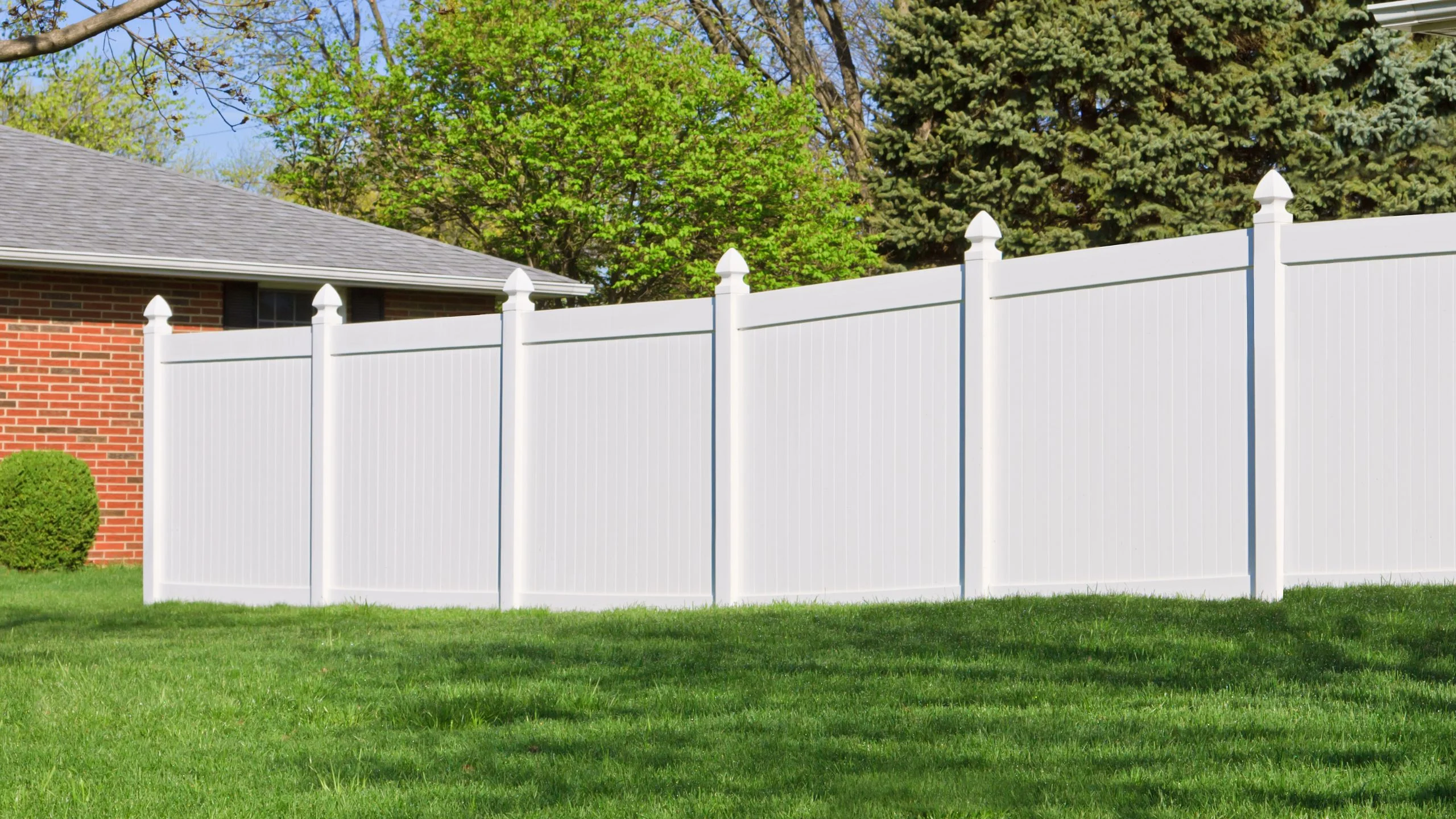
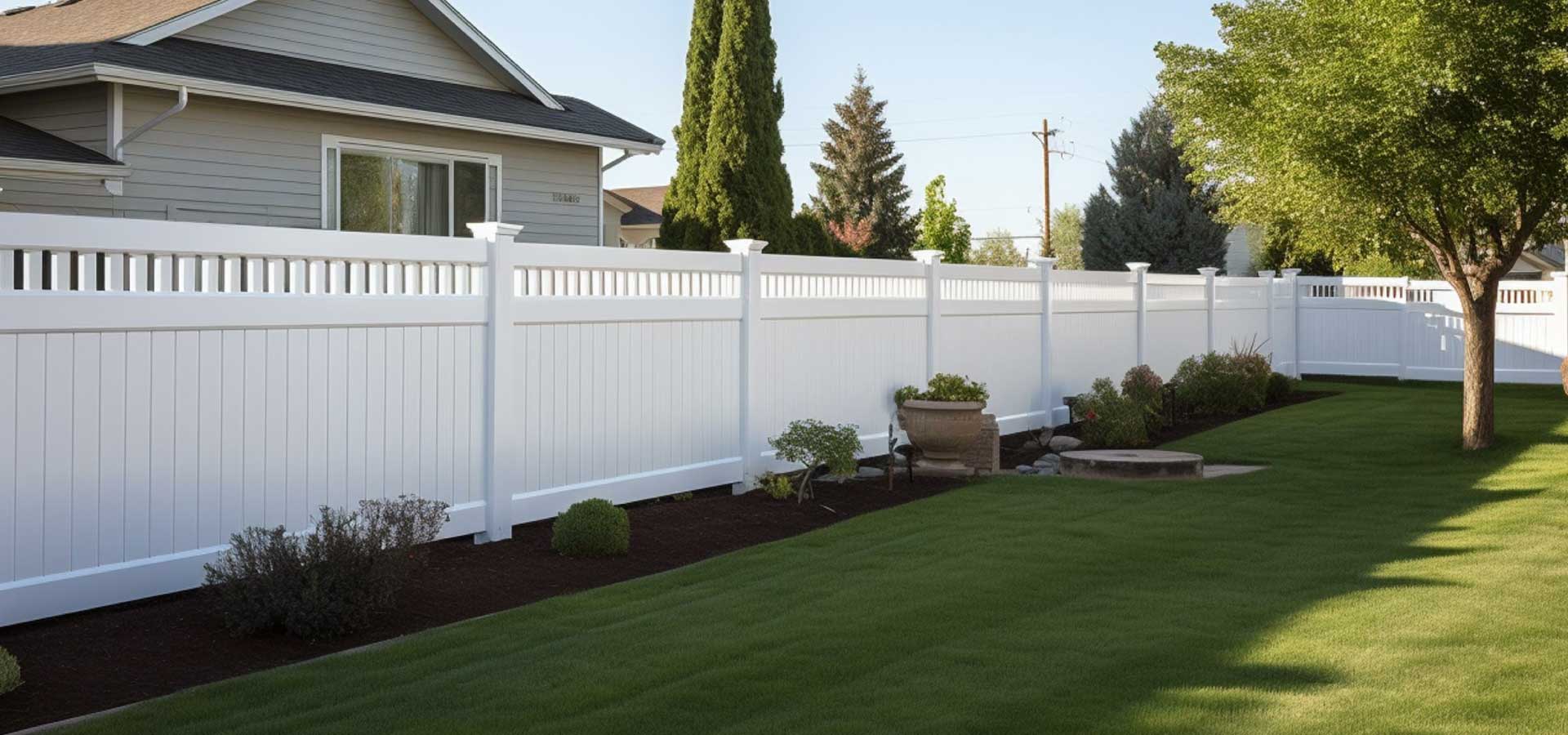
If you want privacy, vinyl fences or wood privacy fences meet the code where slatted chain link does not.
Posts, finished sides, and neighbors
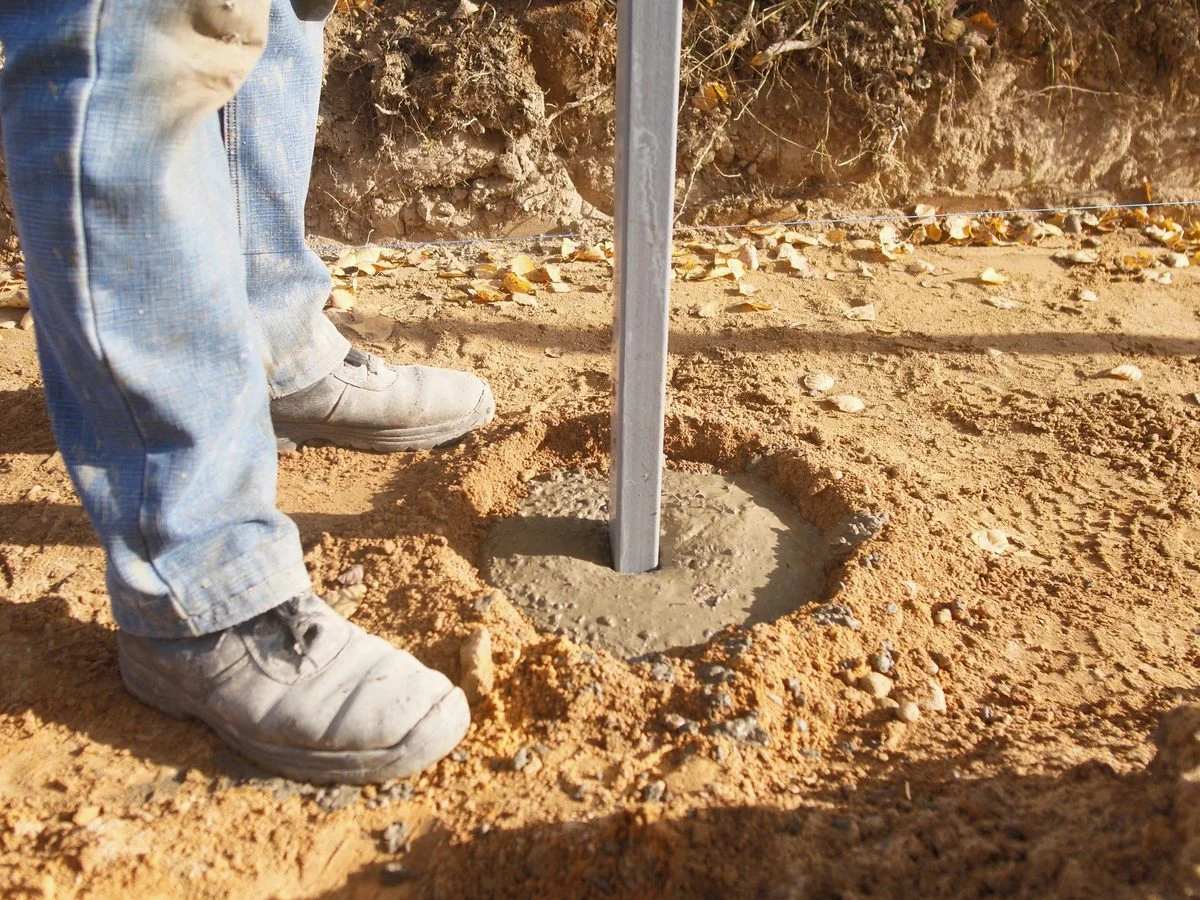
The city code says the finished side of a fence must face out, away from your lot. Posts must go at least 3 feet deep and sit in concrete. Anchor Fence typically sets posts in 42-inch concrete footings, the same depth Michigan’s building code sets for house footings, so we go past the city’s minimum.
Only one fence is allowed on a shared property line. If a neighbor will not sign, the city has a set process. You send a certified letter with the application, wait 15 days, and resubmit with proof. The city then gives neighbors 15 days to raise a valid reason. Disputes that do not settle go to the Building Board of Appeals.